


Are you looking to improve your overall health and well-being through balanced meal planning? Clean eating meal plans may be the solution you’ve been searching for. By focusing on nutrient-dense foods and proper portion sizes, you can create a meal plan that supports your body’s needs and promotes optimal health.
Incorporating a variety of fruits, vegetables, lean proteins, and whole grains into your daily meals can help you feel more energized, focused, and satisfied. Meal prepping ahead of time can also save you time and ensure that you have healthy options readily available. With a commitment to clean eating and balanced meal planning, you can take control of your health and create sustainable habits for a healthier lifestyle.
Benefits of Clean Eating
By following clean eating meal plans, you’ll improve your overall health through the consumption of nutrient-dense foods while avoiding processed junk that can harm your body. Clean eating provides your body with the essential vitamins, minerals, and antioxidants it needs to function at its best. Say goodbye to feeling sluggish and hello to increased energy levels that will allow you to tackle each day with vigor and vitality.
Additionally, clean eating can help you maintain a healthy weight by focusing on whole foods that fill you up and keep you satisfied. You’ll notice improvements in your digestion, skin health, and mental clarity as you nourish your body with the goodness it craves. Embrace the benefits of clean eating and watch as your overall well-being flourishes.
Creating a Balanced Meal Plan
To ensure you’re getting a variety of essential nutrients, it’s important to incorporate a diverse range of whole foods into your daily meals. Start by including a colorful assortment of fruits and vegetables, which are rich in vitamins, minerals, and antioxidants. Make sure to include a mix of lean proteins such as chicken, fish, beans, and tofu, to support muscle growth and repair.
Whole grains like quinoa, brown rice, and oats provide fiber and sustained energy throughout the day. Don’t forget healthy fats from sources like avocados, nuts, and olive oil, which are essential for brain function and cell health. In addition to focusing on the types of foods you eat, pay attention to portion sizes and meal timing. Aim to have a balanced plate with a mix of carbohydrates, proteins, and fats at each meal.
If you enjoy meat, lean options like chicken, turkey, and fish fit well into a clean eating meal plan. Just be sure to choose minimally processed cuts and avoid options like sausages, deli meats, or anything high in preservatives.
Eating every 3-4 hours can help maintain stable blood sugar levels and prevent overeating later in the day. Creating a balanced meal plan is not about restriction or deprivation, but about nourishing your body with the nutrients it needs to thrive. By making mindful choices and listening to your body’s hunger cues, you can enjoy a variety of delicious foods while supporting your overall health and well-being.
What Does a 7-Day Clean Eating Meal Plan Look Like?
A 7-day clean eating meal plan focuses on whole, minimally processed foods that keep you energized without rigid restrictions. It’s about balance, smart preparation, and making simple meals that nourish your body.
Sample structure for a week of clean eating:
- Breakfasts: Rotate easy options like veggie omelets, overnight oats with berries, or smoothies with banana and nut butter for quick, energizing starts.
- Lunches: Build protein-rich bowls with chicken, tofu, or beans paired with colorful veggies and whole grains like quinoa or brown rice.
- Dinners: Try baked salmon with roasted sweet potatoes, veggie chili, or grain bowls with greens and your favorite lean protein.
- Snacks: Keep it simple with Greek yogurt, hummus and veggies, or homemade energy bars.
Meal prep tips:
- Cook in batches, like baking chicken or prepping grain salads, to save time.
- Store meals in airtight containers and portion them ahead to stay on track.
- Use leftovers creatively, such as turning roasted veggies into wraps or scrambles.
A 7-day clean eating plan isn’t about cutting out your favorites but making them healthier, balanced, and sustainable.
Recommended Clean Eating Recipes for Each Meal
Building a clean eating meal plan becomes easier when you have go-to recipes for each meal. These simple, wholesome ideas make it easy to stay on track while enjoying variety and flavor.
Breakfast ideas:
- Cauliflower Scramble: Sauté cauliflower with bell peppers and your choice of lean protein or tofu for a veggie-rich twist.
- Quinoa Oatmeal: Simmer quinoa in almond milk with cinnamon, berries, and a drizzle of honey for a fiber-rich bowl.
- Peanut Butter Banana Smoothie: Blend banana, peanut butter, spinach, and almond milk for a quick, energizing start.
- Asian-Style Eggs: Scramble with green onions, a splash of low-sodium soy sauce, and sesame seeds.
Lunch favorites:
- Lemon Herb Chicken & Mashed Potatoes: Marinated grilled chicken with creamy mashed potatoes made using olive oil.
- Black Bean Burgers: Oat- and spice-packed patties served on a whole grain bun with lettuce and tomato.
- Salmon Poke Bowl: Brown rice topped with marinated salmon, cucumbers, carrots, avocado, and a sesame dressing.
- Garlic Shrimp Pasta: Whole wheat pasta with sautéed shrimp, tomatoes, garlic, and herbs.
Clean snack options:
- Berry Banana Smoothie: Blend berries and banana with Greek yogurt for a refreshing snack.
- No-Bake Peanut Butter Oat Bars: Combine oats, peanut butter, and honey, then chill until firm.
- Tortilla Pizza: Whole grain tortilla topped with tomato sauce, veggies, and a sprinkle of cheese, baked until crisp.
Dinner selections:
- Kale Caesar Wraps: Quinoa, roasted chickpeas, veggies, and dressing wrapped in kale leaves.
- Vegan Quesadillas: Whole wheat tortillas filled with black beans, peppers, and plant-based cheese.
- BBQ Chicken & Sweet Potato Bowl: BBQ chicken with roasted sweet potatoes and steamed greens.
- Tofu Buddha Bowl: Quinoa or brown rice with baked tofu, veggies, and tahini-lemon sauce.
These clean eating recipes are easy to prep and rotate, helping you stay consistent with healthy habits throughout the week.
Meeting Your 1600-Calorie Goal
If you’re following a 1600-calorie clean eating meal plan, balance and portion control are key. Here’s how to structure your meals without sacrificing variety or flavor:
Breakfast: Scrambled or boiled eggs with a slice of whole grain bread or a wholemeal bun offer protein and complex carbs to start your day strong.
Lunch: A lean protein like grilled chicken or a black bean burger on a wholemeal bun, paired with mashed potatoes or brown rice, helps you stay full and satisfied. Add lettuce, tomato, and light mayo or ketchup for flavor without extra calories.
Dinner: Choose lean proteins such as fish or tofu alongside steamed vegetables and a moderate serving of whole grains like quinoa or barley.
Snacks: Keep energy stable with Greek yogurt, a piece of fruit, or a small handful of nuts—all nutrient-dense, satisfying options.
With smart portions and whole-food ingredients, it’s easy to meet your calorie goals while staying on track with clean eating.
Incorporating Nutrient-Dense Foods
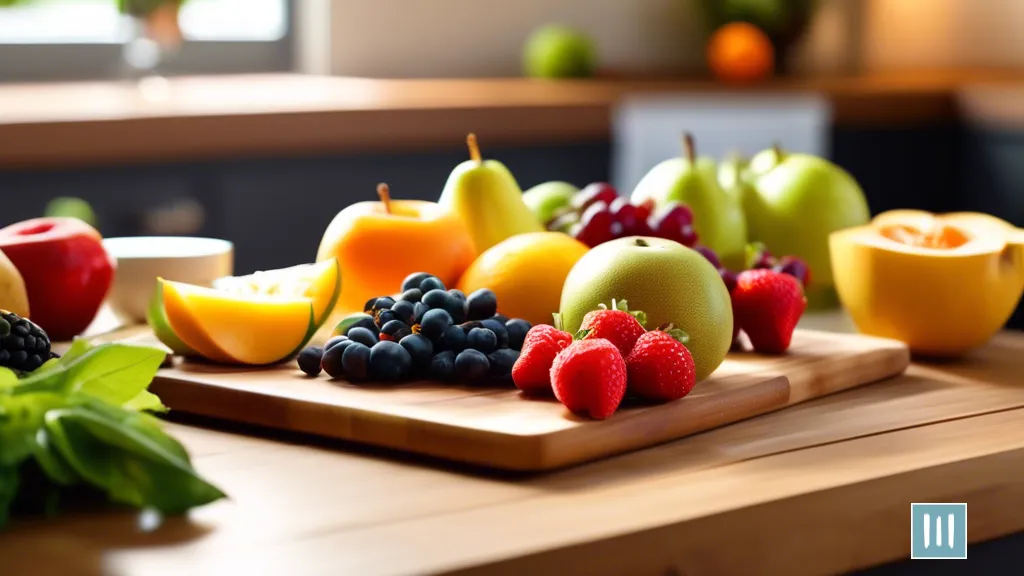
When designing your daily menu, focus on including vibrant fruits and vegetables bursting with color and nutrients for a nourishing boost. These foods will not only add variety to your meals but also provide essential vitamins and minerals that your body craves.
Here are three nutrient-dense foods to consider incorporating into your meal plan:
- Leafy Greens: Spinach, kale, and Swiss chard are excellent sources of vitamins A, C, and K, as well as minerals like iron and calcium.
- Berries: Blueberries, strawberries, and raspberries are packed with antioxidants, fiber, and phytonutrients that promote overall health and well-being.
- Legumes: Beans, lentils, and chickpeas are rich in protein, fiber, and complex carbohydrates, making them a great addition to any meal for sustained energy and satiety.
By including these nutrient-dense foods in your meal planning, you’re not only nourishing your body but also setting yourself up for success in achieving optimal health and well-being.
A clean eating approach also means keeping your meals simple and intentional. Focus on whole, real foods like fresh fruits, vegetables, lean proteins, whole grains, and healthy fats. Cook at home when possible to stay in control of your ingredients. Reduce processed foods and added sugars, stay hydrated, and choose seasonal produce for better flavor and nutrition. These mindful habits will help you build a sustainable, nourishing routine.
Meal Prepping for Success
Ensure you have all your ingredients ready and chop vegetables in advance for quick and efficient meal prep success. Having everything organized and ready to go will not only save you time but also make the process more enjoyable. Set aside some time each week to plan out your meals, create a shopping list, and prep your ingredients so that you can easily assemble your meals when you’re ready to eat.
When meal prepping, think about variety and balance. Include a mix of protein, healthy fats, carbohydrates, and plenty of colorful fruits and vegetables in your meals. Preparing meals in advance can help you make healthier choices throughout the week and avoid last-minute temptations. By taking the time to plan and prep your meals, you’re setting yourself up for success in maintaining a balanced and nutritious diet for optimal health.
Practical Food Safety Tips for Meal Prep
Safe meal prep is just as important as choosing clean ingredients. Follow these practical tips to preserve freshness and protect your health throughout the week:
- Clean as you go: Wash hands before handling food, and sanitize surfaces, cutting boards, and utensils between tasks.
- Avoid cross-contamination: Use separate tools for raw meats and fresh produce.
- Check freshness: Inspect ingredients and discard anything that looks or smells off.
- Cook thoroughly: Make sure proteins are fully cooked. Use a thermometer if needed.
- Cool and store properly: Let meals cool quickly, then store in airtight containers labeled with the prep date.
- Chill within 2 hours: Refrigerate or freeze meals promptly to prevent bacterial growth.
- Thaw safely: Use the fridge, cold water, or microwave—not the countertop.
- Reheat fully: Warm leftovers until steaming hot throughout before eating.
Integrating these food safety habits into your clean eating routine helps ensure every meal is nutritious, delicious, and safe.
Making the Most of Leftovers and Repeated Recipes
Repeating meals and planning around leftovers is one of the easiest ways to stick with your clean eating meal plan while saving time and reducing food waste. Here’s how to build an efficient and sustainable routine:
- Cook in batches: Prepare larger portions of staples like quinoa, brown rice, or roasted vegetables. Store them in airtight containers to mix and match across meals.
- Prep proteins ahead: Grill chicken, bake tofu, or cook beans in advance. These can be added to bowls, wraps, or salads with minimal effort.
- Portion snacks smartly: Divide nuts, chopped fruits, or veggies into single-serve containers for grab-and-go convenience.
- Use salad jars: Layer clean ingredients in mason jars—keep dressing at the bottom to prevent sogginess until ready to eat.
- Leverage your freezer: Freeze individual portions of soups, stews, or even smoothie blends in jars. Just thaw, shake, and enjoy on a busy day.
By incorporating repeated recipes and smart leftovers into your clean eating plan, you’ll stay consistent without spending hours in the kitchen each day.
Maintaining a Healthy Lifestyle
Maintaining a healthy lifestyle is essential for overall well-being. It’s not just about what you eat, but also about how you treat your body daily. By making conscious choices to prioritize your health, you’re setting yourself up for a life filled with energy, vitality, and happiness.
- Stay active and move your body daily, whether it’s through a workout, a walk in nature, or simply dancing in your living room.
- Prioritize sleep and ensure you’re getting enough rest each night to allow your body to recharge and rejuvenate.
- Practice mindfulness and stress management techniques to keep your mental health in check and reduce the impact of daily stressors on your body.
Remember, taking care of yourself isn’t selfish – it’s necessary. By maintaining a healthy lifestyle, you’re not only serving yourself but also those around you. Your well-being radiates positivity and inspires others to do the same.