
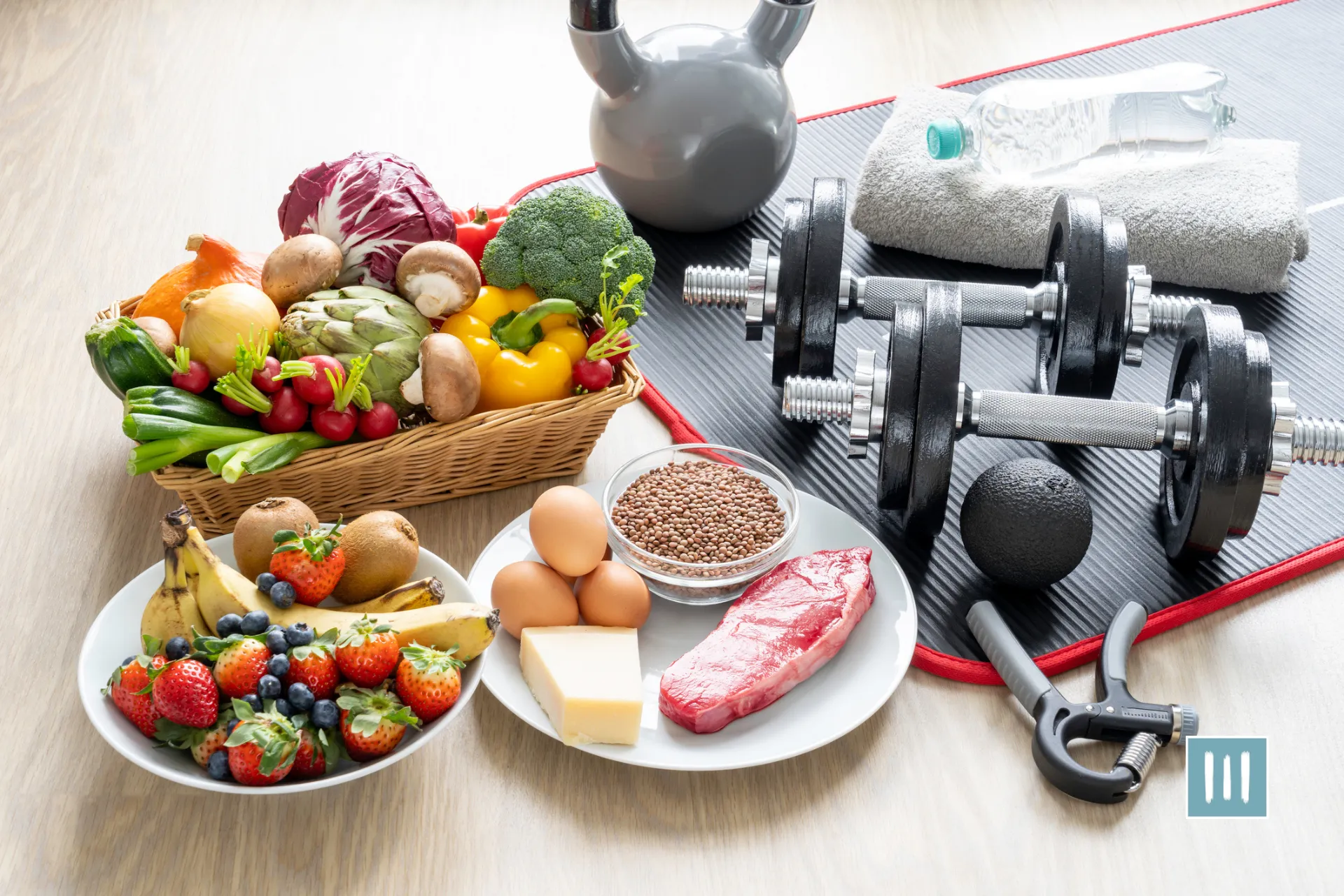

When it comes to muscle recovery and growth, protein plays a vital role. It is the building block of our muscles and provides the necessary nutrients to repair and rebuild them after an intense workout. By ensuring you have the right amount and quality of protein in your post-workout meals, you’ll be giving your body the fuel it needs to recover faster and become stronger.
Determining your protein needs, choosing the right sources, and understanding the timing and combination of protein with other nutrients are all essential factors in optimizing your post-workout nutrition.
So, get ready to dive into this how-to guide and take your post-workout nutrition to the next level.
With these tips and tricks, you’ll be well on your way to achieving your fitness goals and the results you’ve always dreamed of.
Understanding the Importance of Post-Workout Nutrition
You’ve put in the hard work at the gym, pushing your body to its limits and breaking a sweat. But did you know that what you eat after your workout is just as important as the workout itself?
Post-workout nutrition plays a key role in maximizing your gains and helping your muscles recover and grow stronger.
When you exercise, your muscles undergo stress and microscopic damage. This is a natural part of the muscle-building process. However, in order for your muscles to repair and grow, they need the right nutrients.
That’s where post-workout nutrition comes in. By consuming a combination of protein and carbohydrates after your workout, you provide your muscles with the fuel they need to recover and rebuild. Protein is particularly important, as it contains essential amino acids that are the building blocks of muscle tissue. By consuming protein after your workout, you give your body the tools it needs to repair and build new muscle fibers.
But it’s not just about the protein. Carbohydrates are also essential for post-workout nutrition. When you exercise, your body uses up its glycogen stores for energy. Consuming carbohydrates after your workout helps replenish these stores, giving your body the energy it needs to recover and prepare for your next workout.
Additionally, carbohydrates help to spike insulin levels, which aids in the absorption of nutrients into your muscles. So don’t neglect the carbs! Opt for a balanced post-workout meal or snack that includes both protein and carbohydrates to optimize your recovery and fuel your muscles for success.
The Role of Protein in Muscle Recovery and Growth
To enhance your muscle recovery and growth, include protein in your diet to provide the necessary building blocks for your muscles. Protein plays a crucial role in repairing and rebuilding muscle tissue after a workout.
When you exercise, your muscles undergo stress and micro-tears occur. Protein is essential for repairing these tears and promoting muscle growth. It is the key nutrient that helps your muscles recover and become stronger.
Protein is made up of amino acids, which are the building blocks of muscle tissue. When you consume protein, your body breaks it down into amino acids and uses them to repair and rebuild your muscles. Including protein in your post-workout nutrition helps to ensure that your muscles have an adequate supply of amino acids to support the recovery process.
This is especially important because your body can’t store excess protein like it can with carbohydrates and fats. So, consuming protein after your workout is important to provide your muscles with the amino acids they need to recover and grow.
In addition to repairing and rebuilding muscle tissue, protein also helps to prevent muscle breakdown. When you exercise, your body breaks down muscle protein to use as a source of energy. By consuming protein after your workout, you can help counteract this muscle breakdown and preserve your hard-earned muscle mass. Protein also helps to support the synthesis of new muscle proteins, leading to muscle growth over time.
Including protein in your post-workout nutrition is essential for enhancing muscle recovery and growth. It provides the necessary building blocks for your muscles to repair and rebuild, as well as helping to prevent muscle breakdown.
Determining Your Protein Needs
Figuring out your protein requirements is like deciphering the melody of a song; it sets the rhythm for your post-workout recovery. Just as a song needs the right balance of notes to create a harmonious tune, your body needs the right balance of protein to optimize muscle repair and growth. So, how do you determine your protein needs? It’s not as complicated as it may seem. By considering factors such as your body weight, activity level, and fitness goals, you can calculate a rough estimate of how much protein you should be consuming.
To make this process easier for you, here’s a simple table that provides a general guideline for protein intake based on different activity levels:
| Activity Level | Protein Intake (grams per kilogram of body weight) |
|---|---|
| Sedentary | 0.8 – 1.0 |
| Lightly Active | 1.2 – 1.4 |
| Moderately Active | 1.5 – 1.7 |
Keep in mind that these are just general recommendations and may need to be adjusted based on individual factors. If you’re unsure about where you fall on the activity scale, it’s best to consult with a healthcare professional or registered dietitian who can provide personalized guidance.
Choosing the Right Sources of Protein
When it comes to selecting the right sources of protein, it’s important to consider a variety of factors. The quality of protein you consume can greatly impact your post-workout recovery and muscle growth.
Here are three key considerations to keep in mind when choosing the right sources of protein:
- Bioavailability: Opt for proteins that are easily absorbed and utilized by your body. Animal-based proteins such as chicken, beef, and fish are excellent choices as they contain all the essential amino acids your body needs.
- Leucine content: Leucine is an essential amino acid that plays a crucial role in muscle protein synthesis. Select protein sources that are rich in leucine, such as eggs, dairy products, and whey protein.
- Nutrient density: Look for protein sources that not only provide protein but also other essential nutrients. For example, Greek yogurt not only offers a good amount of protein but also calcium and probiotics, which can support bone health and digestion.
By considering these factors, you can ensure that you’re choosing protein sources that optimize your post-workout recovery and help you achieve your fitness goals.
Timing and Combining Protein with Other Nutrients
Combine your protein intake with other essential nutrients to maximize your post-workout recovery and muscle growth. While protein is crucial for repairing and building muscle, it’s important to also consider the timing and combination of other nutrients to optimize your results. By strategically fueling your body with the right nutrients at the right time, you can enhance your recovery, promote muscle growth, and improve your overall performance.
One way to ensure you’re providing your body with the necessary nutrients is by combining protein with carbohydrates. Carbohydrates are the body’s main source of energy, and consuming them alongside protein helps replenish glycogen stores and aids in muscle recovery. Aim to consume a ratio of approximately 2:1 or 3:1 carbohydrates to protein within 30 minutes to an hour after your workout. This can be achieved through options such as a protein shake with added fruit, a chicken breast with sweet potatoes, or a Greek yogurt with granola.
Additionally, incorporating healthy fats into your post-workout meal can further support muscle recovery and provide sustained energy. Omega-3 fatty acids, found in foods like salmon, avocados, and nuts, have anti-inflammatory properties that can help reduce muscle soreness and promote joint health. Including a small serving of healthy fats alongside your protein and carbohydrates can help optimize your post-workout nutrition.
To further illustrate the importance of combining nutrients, here is a table that showcases the benefits of different nutrient combinations:
| Nutrient Combination | Benefits |
|---|---|
| Protein + Carbohydrates | Enhances muscle recovery and replenishes glycogen stores |
| Protein + Healthy Fats | Supports muscle recovery, reduces inflammation, and provides sustained energy |
| Protein + Vitamins | Promotes overall health and supports optimal muscle function |
| Protein + Minerals | Aids in muscle recovery and supports the body’s electrolyte balance for proper hydration and muscle function |
By understanding the importance of timing and combining protein with other essential nutrients, you can optimize your post-workout nutrition and accelerate your progress towards your fitness goals.